

iOS 27: What is new

Siri AI, on-device models, Liquid Glass and parental controls: what iOS 27 changes for companies with an iPhone app, and what the EU does not get yet.
iOS 27 reached iPhones on 14 September 2026, three months after Apple announced it at WWDC on 8 June. The headline is Siri AI, a rebuilt Siri that understands what is on screen and acts inside apps. It launched as an English-only beta, though, and on iPhone it is not available in the EU for now. For a company with an iPhone app, the more lasting changes are elsewhere: how apps expose their actions to the system, the on-device AI tools Apple now gives developers, a Liquid Glass design that users can tune, and new parental controls.
This article summarises what changed and what it means for an app. Apple's own announcements are linked at the end.
Siri AI and where it is available
Apple describes Siri AI as a more capable and conversational assistant with personal context understanding, broad world knowledge, onscreen awareness and more actions across apps. It can search a user's messages, emails and photos, answer questions about what is on screen, and keep a conversation going over several turns. A new Siri app keeps past conversations and syncs them through iCloud.
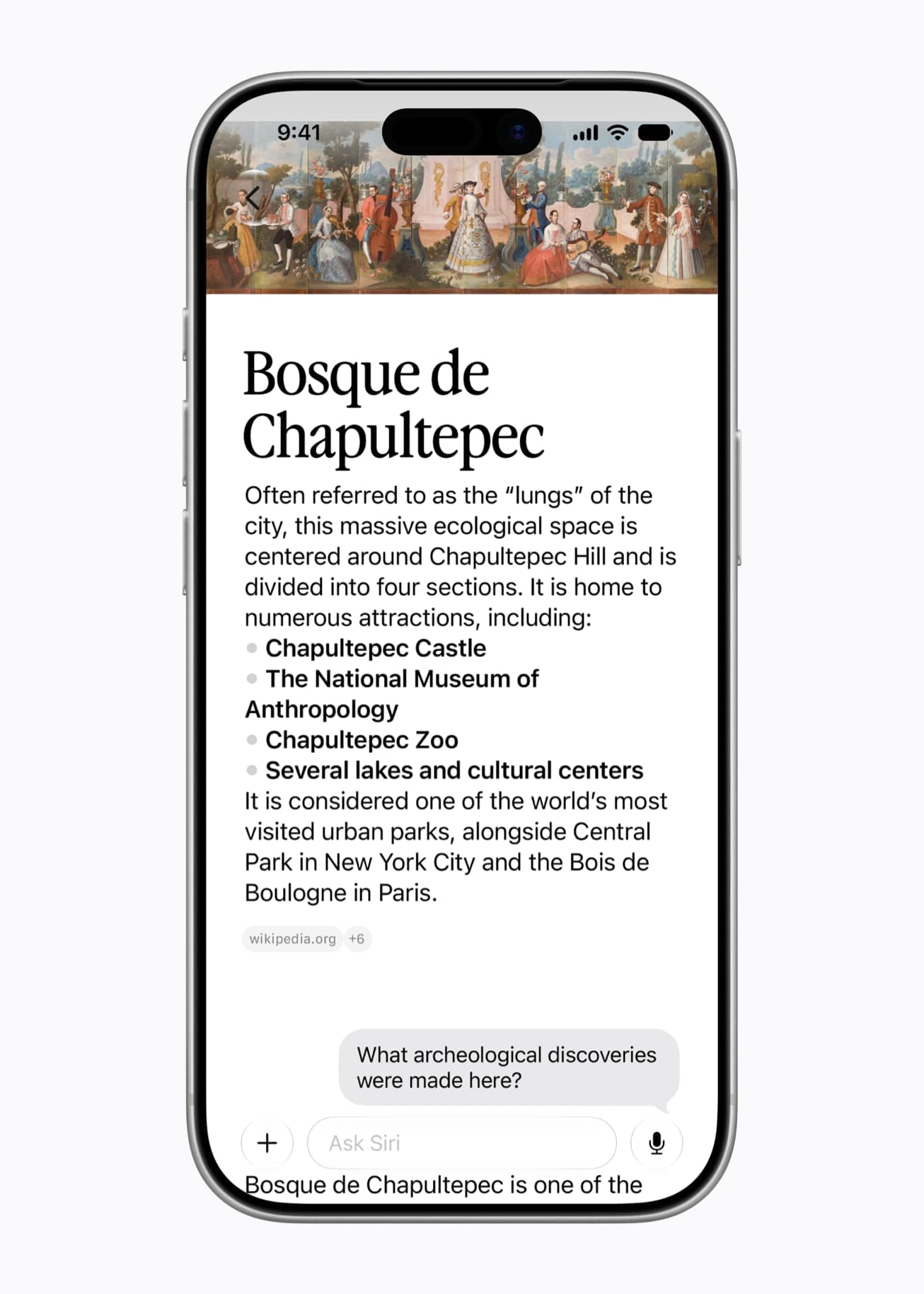
Availability is narrower than the announcement suggests:
- Beta, English first. Siri AI launched in beta in English. Apple lists French, Japanese, Korean, Portuguese and Spanish for October.
- Not on iPhone in the EU yet. Apple says Siri AI will not be available initially in the EU on iOS, iPadOS and watchOS, cites the Digital Markets Act, and gives no timeline. In the EU it is available on Mac and Apple Vision Pro.
- Recent iPhones only. Like the rest of Apple Intelligence, it needs an iPhone 15 Pro, an iPhone 15 Pro Max, or an iPhone 16 or later.
- Daily limits. Apple says features that rely on server-side models, Siri AI included, are subject to daily usage limits, and that expanded access will be available for a fee in the future.
Apple Intelligence supports English and more than a dozen other languages. Czech is not one of them, which matters for any app whose users in Czechia run their phones in Czech.
What Siri AI means for your app
Siri reaches an app only through what the app describes with App Intents: the actions it can perform and the content it holds. iOS 27 extends that framework in three ways that matter for business apps:
- View Annotations map what is on screen to your app's own records, so a user can ask about, or act on, the item in front of them.
- Intent and entity schemas let Siri match everyday requests to your actions without predefined phrases, and add your app's content to the Spotlight semantic index that Siri draws on.
- An App Intents testing framework checks an integration through the real system paths, without UI automation.
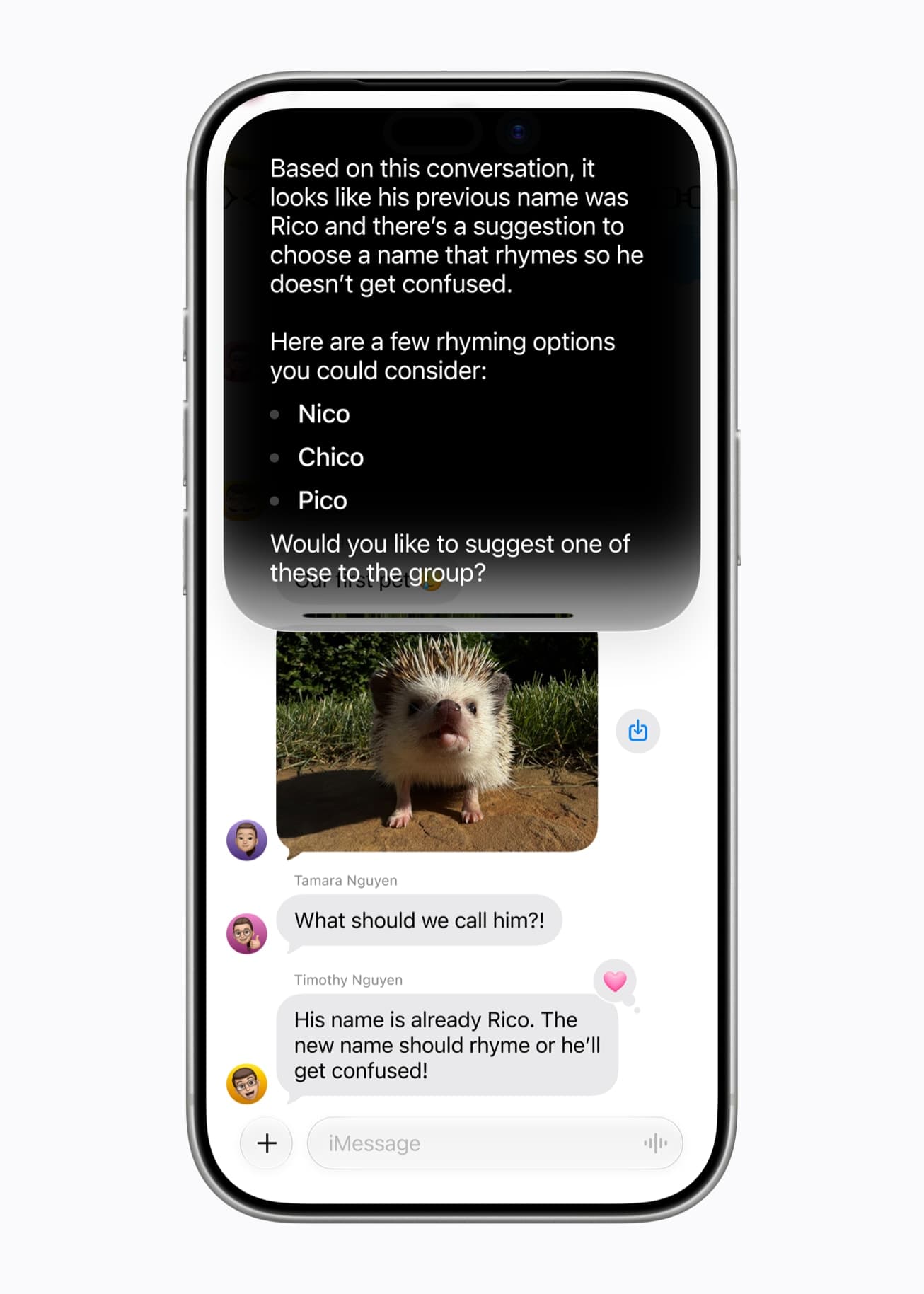
Apple names WhatsApp and Audible among the apps that already work with Siri AI. For a fintech or healthcare app, the useful question is which two or three tasks a user would actually ask for by voice or from the screen, such as checking a payment or finding an appointment, and whether those tasks are safe to trigger that way. Apps that already use App Intents for Shortcuts or widgets have a head start, because the same definitions carry over.
The EU delay does not make this work premature. App Intents also power Shortcuts, Spotlight and widgets on every iPhone, in the EU too, and an app that has them is ready when Siri AI arrives.
On-device AI for developers
iOS 27 gives developers more ways to add AI features without sending data to a third-party server:
- The Foundation Models framework gives direct access to the on-device model behind Apple Intelligence. It now accepts images alongside text, can call on-device tools such as text recognition and barcode reading, and can also connect to cloud models such as Claude or Gemini, or to a custom provider.
- Apps in the App Store Small Business Program with fewer than 2 million total first-time downloads can use Apple's next-generation models on Private Cloud Compute at no cloud API cost.
- Core AI is a new framework for running a company's own models on the device, with no server dependency and no per-token cost.
For regulated sectors the on-device option is the interesting one: reading a document, classifying a receipt or summarising a form can happen without the data leaving the phone. Whether a given feature can run on the device, and on which devices, has to be checked for each project; the on-device model is only available where Apple Intelligence is.
Liquid Glass, now adjustable
Liquid Glass, the translucent design Apple introduced with iOS 26, gets refined materials and updated tab and navigation bars in iOS 27. Users can also adjust it with a new slider in Settings, from ultra-clear to fully tinted.
For an app, this means the system bars around your screens can look noticeably different from one user to the next. Anything custom placed on or next to them needs checking at both ends of the slider, especially text, icons and brand colours that assume a particular background.
Parental controls and child accounts
Parents setting up a child account can now choose exactly which apps are available, set daily time allowances for Entertainment, Games and Social Media apps, schedule when apps can be used, and require approval before a child contacts someone new. Ask to Browse makes a child ask permission before opening each new website in Safari.
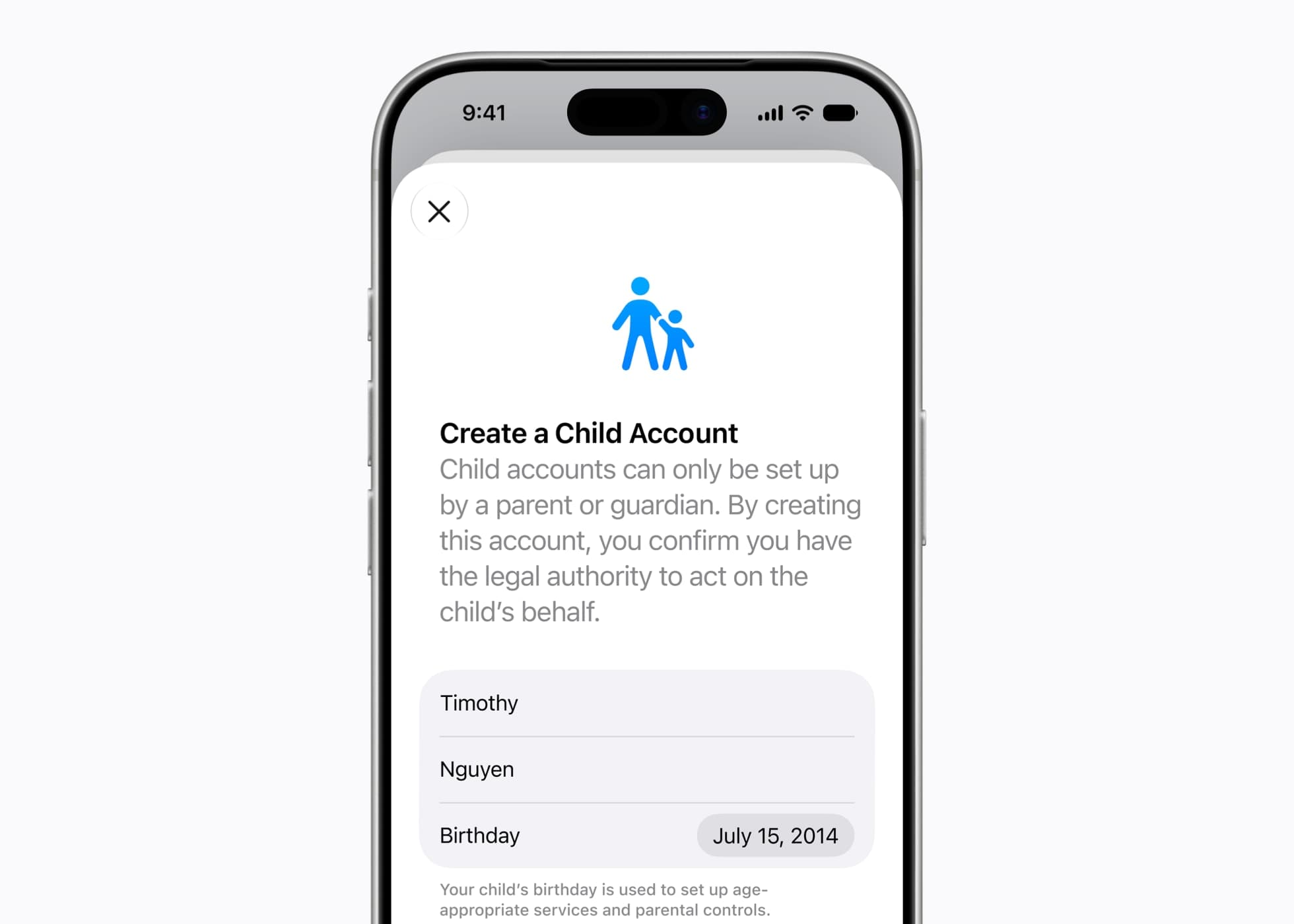
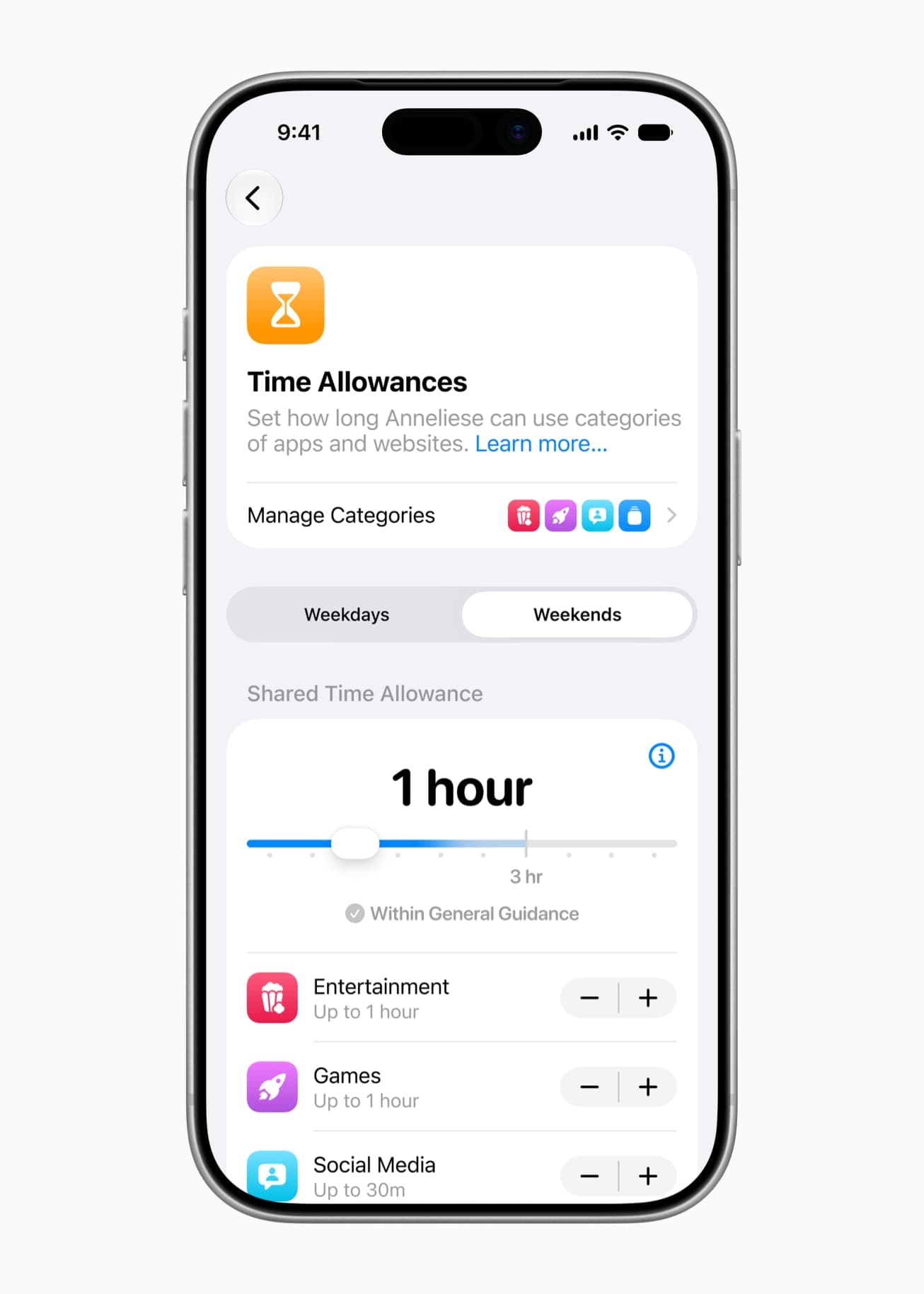
If children or teenagers use your app, or it belongs to one of those three categories, these limits now reach it through the system rather than through anything in the app. It is worth knowing which category the app falls into and how it behaves when a parent's limit runs out.
Faster, according to Apple
Apple states that iPhone apps launch up to 30 percent faster on iOS 27 and that search has been rebuilt to be more stable and efficient. These are Apple's own figures; how fast a particular app starts still depends on what it does at launch.
What to do now
- Build and test the app on iOS 27, including both ends of the Liquid Glass slider.
- List the tasks users would ask Siri to do in your app, and check which of them already exist as App Intents.
- Decide whether a planned AI feature could run on the device with the Foundation Models framework or Core AI, and whether your app qualifies for free Private Cloud Compute access.
- For users in the EU, assume Siri AI is not available on iPhone for now; App Intents still pay off through Shortcuts, Spotlight and widgets.
- If children use the app, test it with a child account and the new time allowances.
If you would like a second opinion on what iOS 27 means for a specific app, the mobile app development page describes how we work, and a short summary through the contact page is enough to start.
Sources
- Apple Newsroom, 8 June 2026: Apple unveils next generation of Apple Intelligence, Siri AI, and more
- Apple Newsroom, 8 June 2026: Due to DMA, Siri AI delayed in EU for iOS 27 and iPadOS 27
- Apple Newsroom, 14 September 2026: Major updates for Apple's software platforms are now available
- Apple Newsroom, 14 September 2026: Siri AI, a profoundly more capable and personal assistant, is here
- Apple Developer: What's new in iOS
All images in this article are from Apple Newsroom.